
SymbioForest
Project

Our annual project, called SymbioForest, aims to associate a species of mycorrhizal fungus with the following tree species: Maritime Pine (Pinus pinaster) and Portuguese Oak (Quercus robur); with the aim of increasing the growth rate of these plants.
Thus, we will accelerate the rate of reforestation, both nationally and globally, promoting the health of the Earth.
Learn more about the project
Our annual project, called SymbioForest, aims to associate a species of mycorrhizal fungus with the following tree species: Maritime Pine (Pinus pinaster) and Portuguese Oak (Quercus robur); with the aim of increasing the growth rate of these plants. Mycorrhizae extend the reach of roots, allowing plants to absorb nutrients and water more efficiently, especially in less fertile soils. We also try to achieve greater efficiency of plants against diseases and pests (Symbiosis with mycorrhizae strengthens the immune system of plants, making them less susceptible to diseases and pest attacks). With the development of this project we were able to meet three of the sustainable development goals (SDGs) of the UN 2030 agenda: 12- Sustainable Consumption and Protection; 13- Climate Action; 15- Protect Life on Land. With our project we can improve several problems in our world such as: -Loss of biodiversity -Climate change -Soil erosion and wear -Pollution of groundwater (water tables) -Constant deforestation To conclude, the purpose of this work is to provide faster and more effective reforestation for mainland Portugal and its surrounding areas, since, lately, accelerated deforestation has become a priority problem in today's society. In this way, we will try to take another step forward in saving our planet, the Earth.
Benefits
For Trees
-
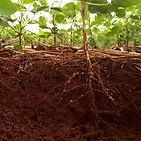
Greater Absorption of Water and Nutrients: trees, in partnership with mycorrhizal fungi, significantly enhance the absorption of water and nutrients from the soil. The fungi create a network of filaments that connect to the tree roots, expanding their capture area. This improves the uptake of essential nutrients like phosphorus and nitrogen, and increases the trees' resilience to drought conditions.
-
Greater Resistance to Pests and Diseases: trees, in symbiosis with mycorrhizal fungi, gain enhanced resistance to pests and diseases. The fungi help improve the tree's immune system, making it more resilient to harmful organisms. This partnership also boosts the tree's overall health, reducing the impact of environmental stressors and promoting long-term survival.
-
Greater Protection of Roots: trees, in association with mycorrhizal fungi, receive greater protection for their roots. The network of fungal filaments surrounds the roots, forming a protective layer that defends them against pathogens and physical damage.
Benefits
For Earth
-
Better quality and quantity of groundwater: trees play a vital role in preserving groundwater and aquifers. Their roots absorb water, enhance rain infiltration, and prevent soil erosion. Additionally, they filter contaminants and regulate the water cycle through evapotranspiration. Protecting forests is essential to ensuring the quality and availability of groundwater.
-
Increase in Oxygen Production: trees play a crucial role in oxygen production through photosynthesis, converting carbon dioxide into oxygen and supporting life on Earth. Forests act as the planet’s lungs, helping to maintain air quality and a balanced atmosphere. Protecting and restoring forests not only increases oxygen levels but also supports biodiversity and combats climate change.
-
Reduction of Erosion and Improvement of Soil Quality: trees play a crucial role in soil protection. Their roots prevent erosion by keeping the soil stable, while the decomposition of leaves and branches enriches it with nutrients, improving fertility. Healthy forests ensure more productive and sustainable soils, essential for the preservation of terrestrial ecosystems.
-
Protection of Biodiversity: trees are essential for biodiversity, providing shelter, food, and ideal conditions for countless species. Healthy forests sustain balanced ecosystems, ensuring the survival of animals, plants, and microorganisms. Forest conservation is crucial to maintaining the balance and diversity of life on the planet.




Logo
The logo was meticulously designed to address each of the elements of our project, from the tree to the mycorrhizae present in the roots.
Scientific Documents
In this section, you will find a collection of scientific articles, studies, and reports that support and inspire the Symbioforest project. These resources highlight the importance of mycorrhizal fungi, sustainable reforestation practices, and their role in restoring ecosystems. Explore to deepen your understanding and discover the science behind our initiative!
*These files are subject to qualitative assessment at school and therefore cannot be removed.